2008/10/03

Simplicity

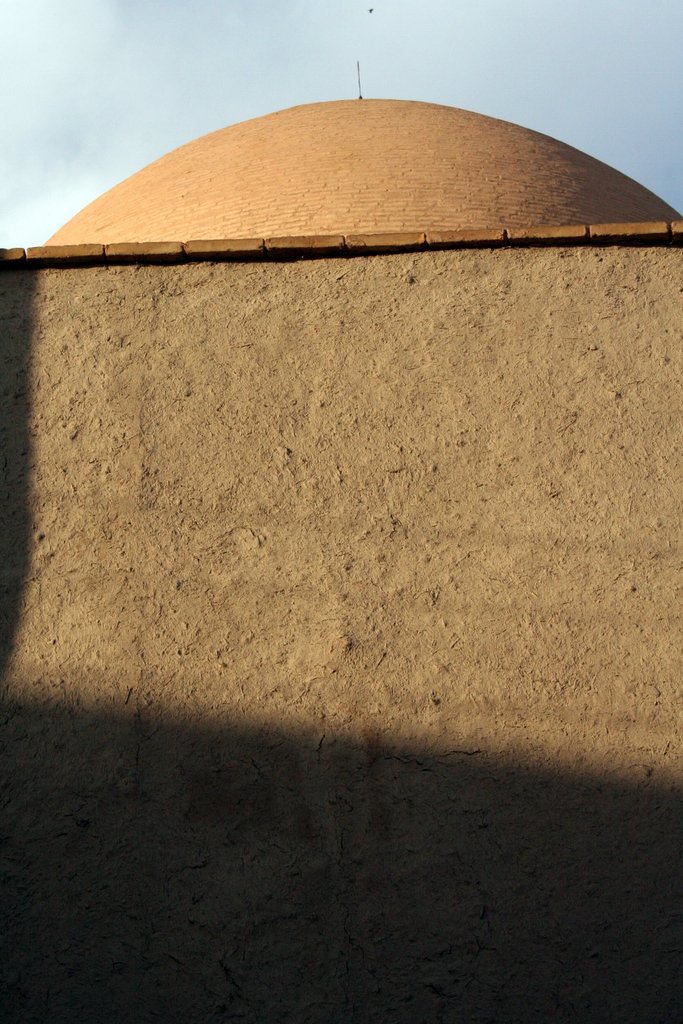
I have written on my profile that I am an architect. I wonder if I am a real one when I am in a place like this. This is not a pessimistic idea, because they make me understand that the secret lies inside us, no where oustside. See inside and you'll see the whole world, the whole, just a little more. This is architecture, see the world, the whole world, just a little more. Is it very simple? Is it very difficult?
Posted by Picasa

2008/10/02

The secret of red and green

I thought to continue my new start with Abarkooh.
Red and green, are they in contrast or harmony?
When it comes to life, it's all harmony, as if they came to life to be together, completeness, love.
The red rose and the green pine, they connect earth to sky, they let water take life, with respect, whitin the most delicate coach, i.e. water, from the lightness of the sky to the silence of earth. Together they open the space, everlasting new, always the same, eternal, concrete, world.
That's the secret of the rose.
Posted by Picasa

2008/10/01

New Beginning


Hi. Receiving a new message from a friend of mine (who is a great photographer) I thought to give it a new try again. For the new beginning I picked this one which was taken in Abarkooh Friday Mosque.
Very hopeful, the beautiful desert sky with the clouds flying by.
Posted by Picasa

2006/06/15

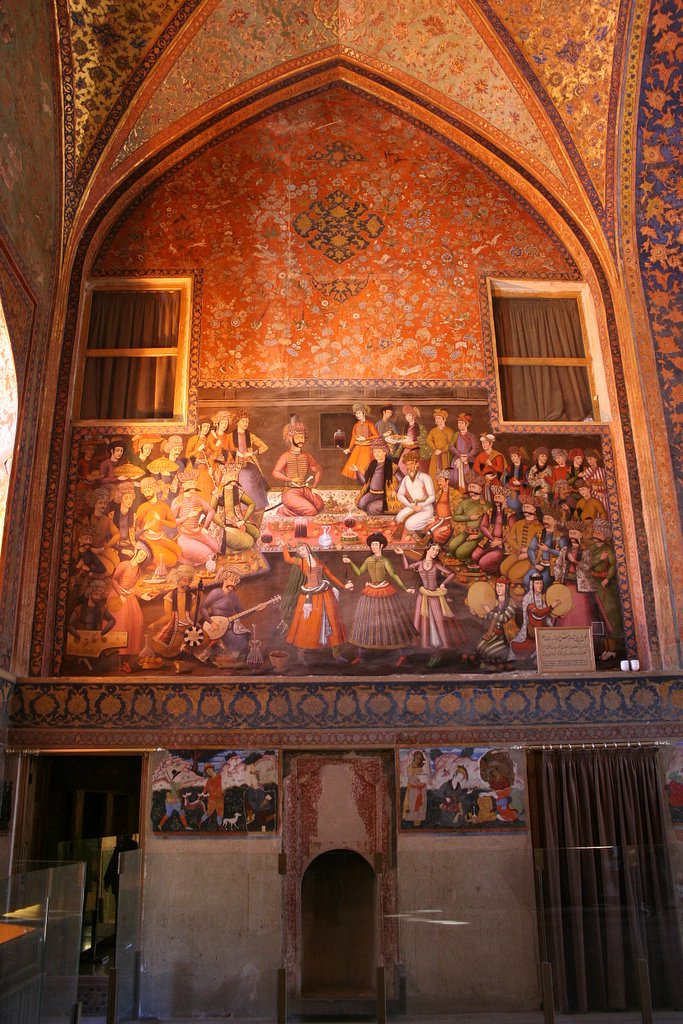
Chehel-Sotoon; painting detail

This is a partial view showing a detail of the painting in my previous post. Here you see Tahmasb I, the Safavid king of Iran in the 16th and Homayun, the Mogul king of India which came to Iran as a refugee.
The setting of the ceremony is a palace (which is now destroyed) in North-West of Iran in a city called after a Jewish prophet Qeidar-r-Nabi (Qeidar the Prophet).
The Iranian and Indian kingdoms were in good relationship at that time, so the Safavid king helped Homayun to gain back his kingdom.
The dancers and the musical instruments are all Iranian.
 Posted by Picasa

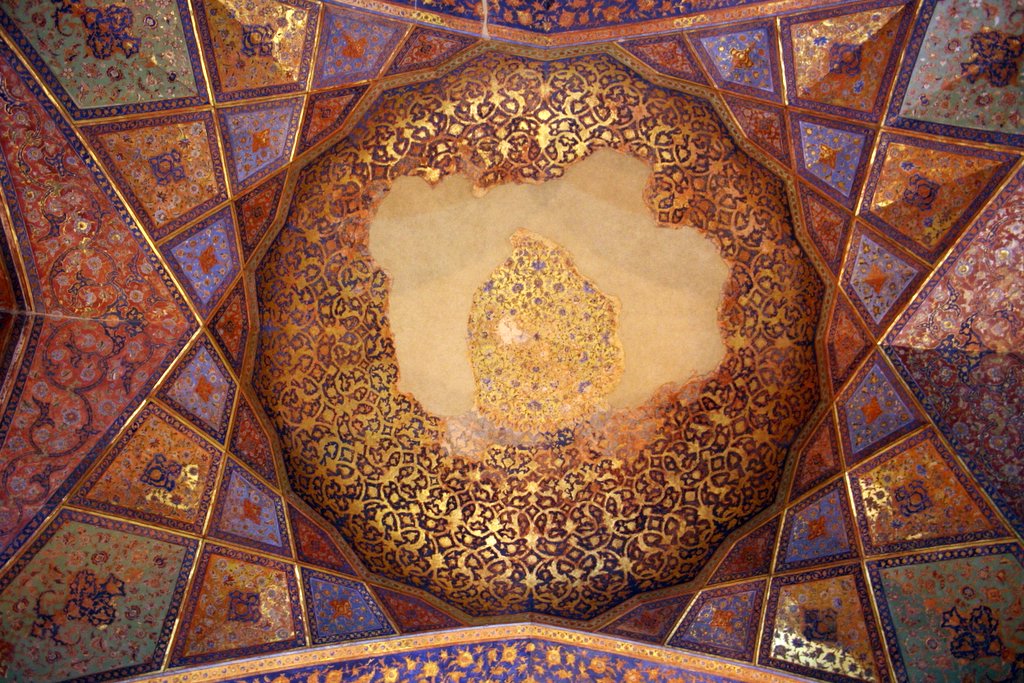
Chehel-Sotoon; part of the ceiling

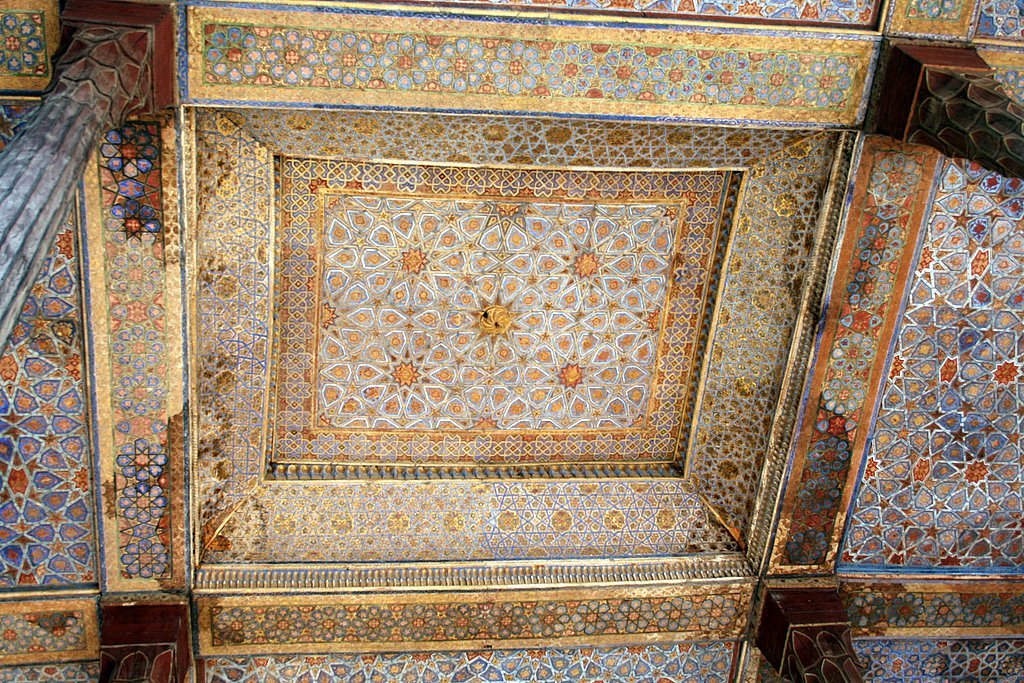
I hope that I haven't made you sick by posting too much of a the same subject.  Posted by Picasa

2006/06/12

Chehel-Sotoon Interir

The painting shows Shah-Abbas II (the Safavid king) accepting the King of India in a formal ceremony. There are severl very fine paintings in this palace. Posted by Picasa

2006/06/09

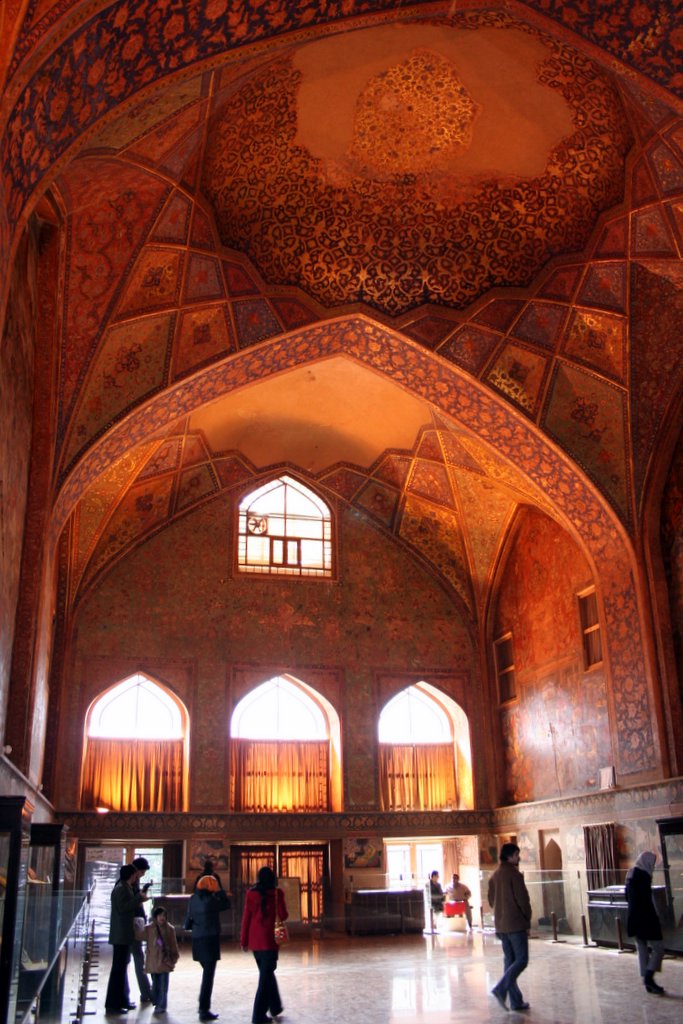
Chehel-Sotoon Palace

An internal view of the palace which is now used as a museum. Posted by Picasa

2006/06/08

A world within the world

The great American architect, Louis Kahn, used to say that architecture is making a world within the world. That was going on my mind when taking this photo from a church in Isfahan.
Posted by Picasa

Chehel-Sotoon Palace; Entrance Decoration

 Posted by Picasa

2006/06/05

Chehel-Sotoon Palace [5]

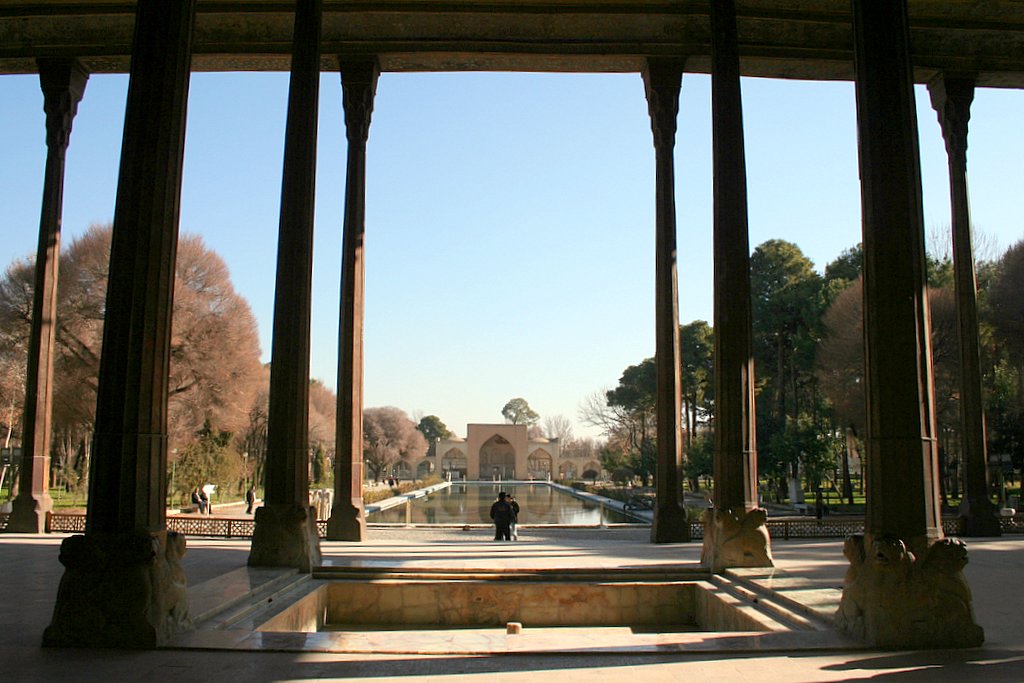
Looking from the balcony to the garden, court, and pool. I forgot to write about the interesting story about the name of the building. The balcony has 20 columns which their reflection in the pool water creates 20 more columns, so one would see 40 columns when he is in the other side of the court. And the name of the building (Chehel-Sotoon) verbally means 40 columns. Posted by Picasa

Chehel-Sotoon Palace [4]

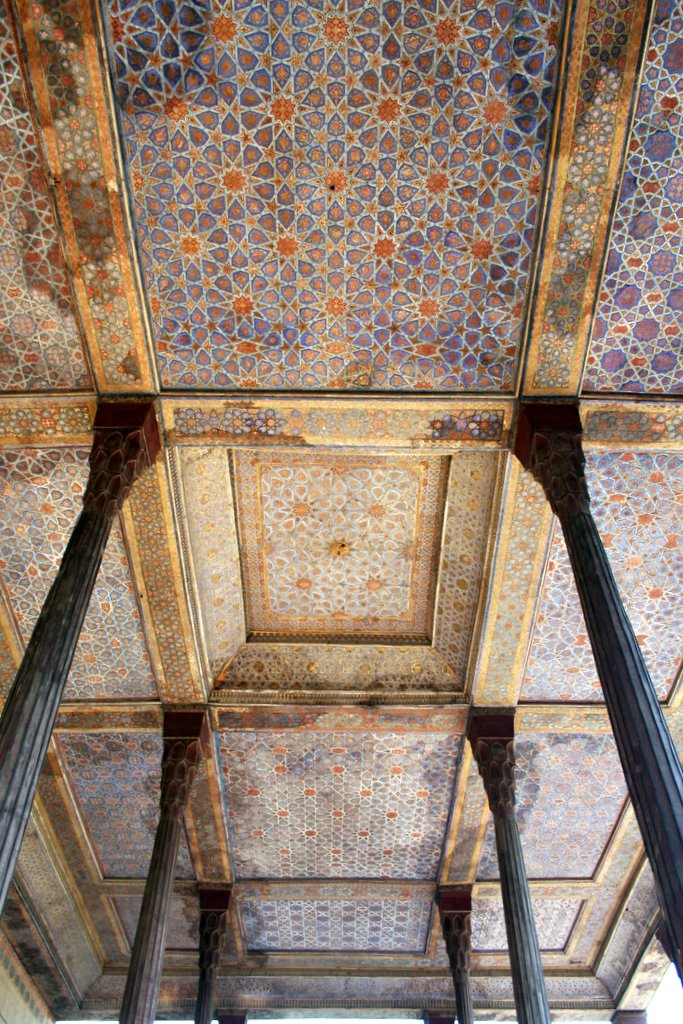
Another view of the roof of the balcony. It's like a sheltering with the sun in the middle and lots of stars surrounding it. Posted by Picasa

2006/06/03

Chehel-Sotoon [2]

 Posted by Picasa

Chehel-Sotoon Palace; Isfahan

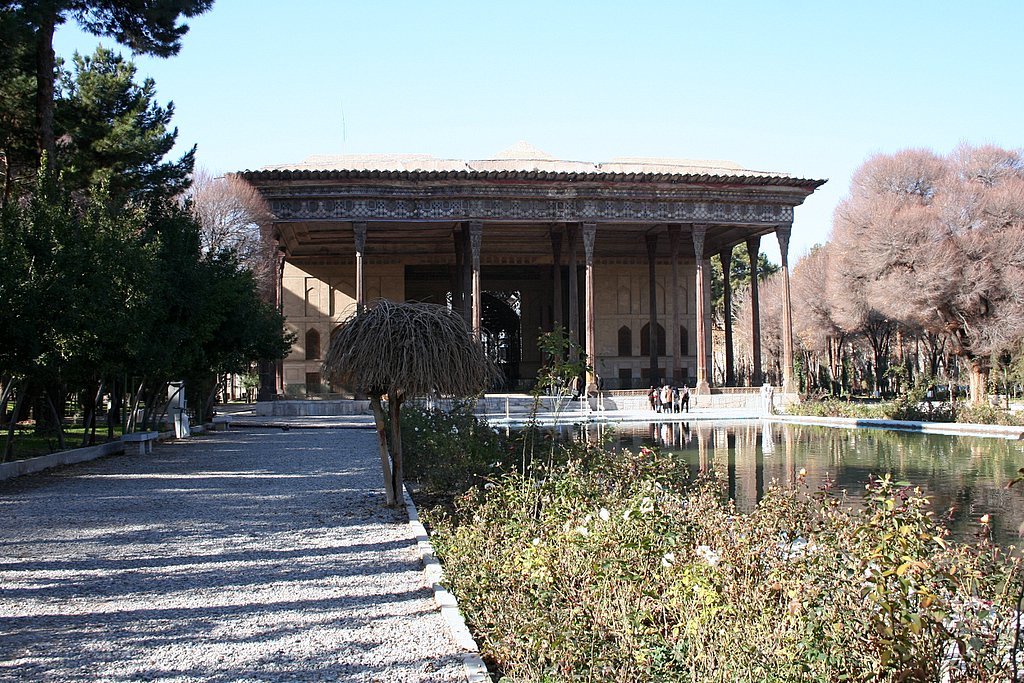
Chehehl-Sotoon Palace is a Safavid (a6th century) monument in the Royal Quarter of Isfahan. Chehel-Sotoon literally means "40 columns". Posted by Picasa

2006/05/31

White rose

One of our white roses.  Posted by Picasa

2006/05/30

Mostofi House; Shushtar

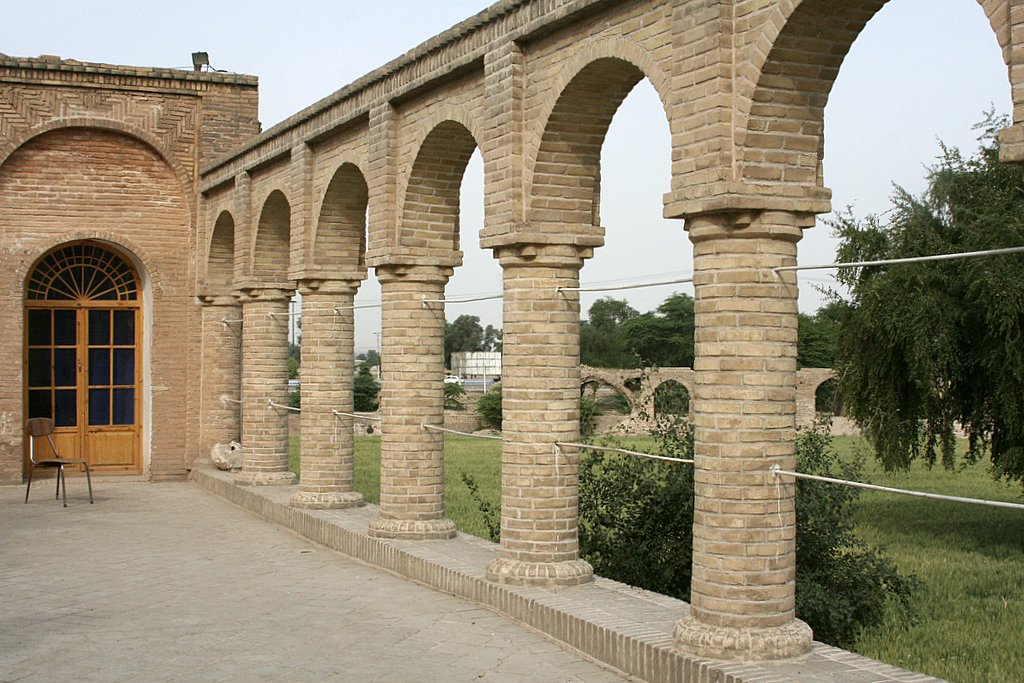
The open terrace of the historic Mostofi House with the picturesque view of Shadorvan (from my previous post). Posted by Picasa

Shadorvan; Shushtar

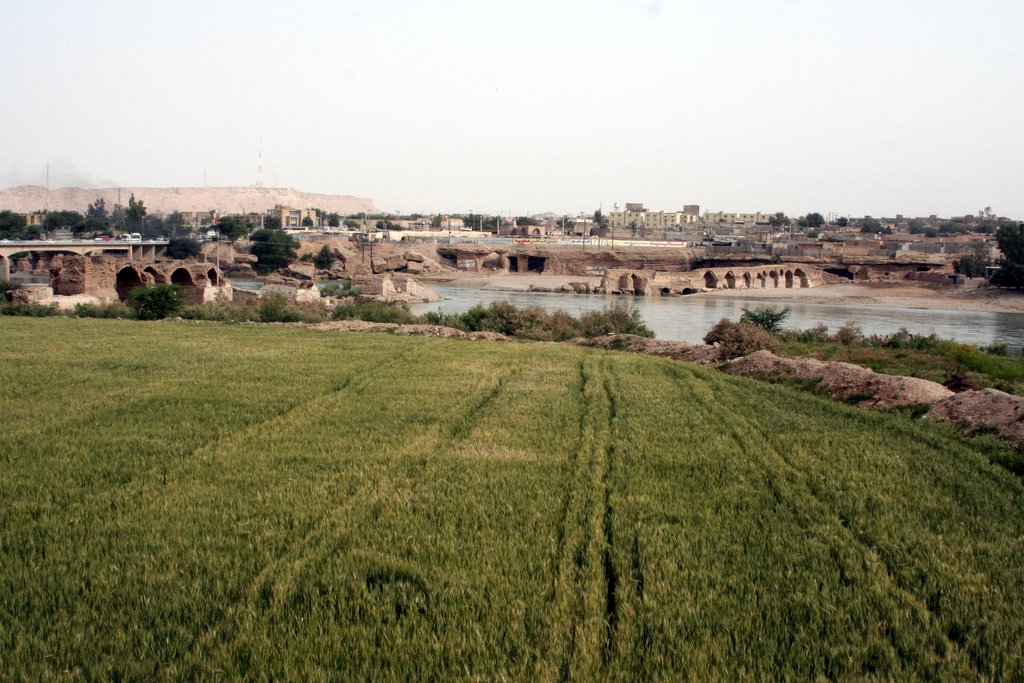
Shadorvan is a bridge and barrage in north of Shushtar. It spans Shoteit (a branch of the greater Karun). It is believed to be a Sassanid bridge but it has been rebuilt and restored more than several times during its long life. Several bays of the 500 meter collapsed during the last 150 years.
I took the picture from the historic Mostofi House which used to be Shushtar's governor home.
 Posted by Picasa

2006/05/29

Hibiscus

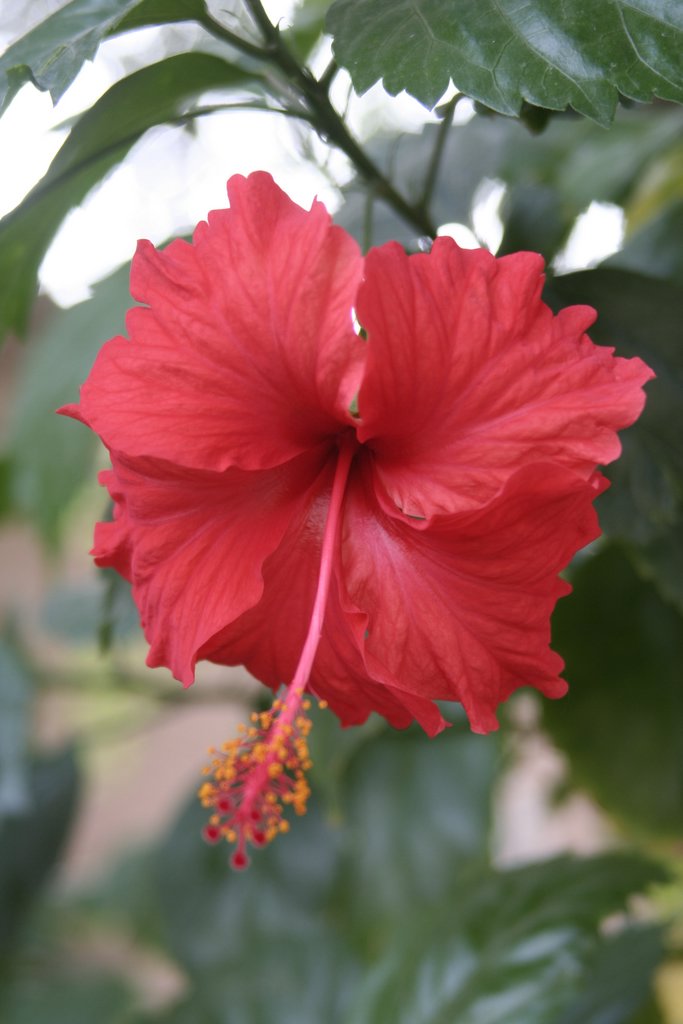
A red hibiscus inside the historic Mostofi House in Shushtar. Posted by Picasa

2006/05/25

Shushtar watermills

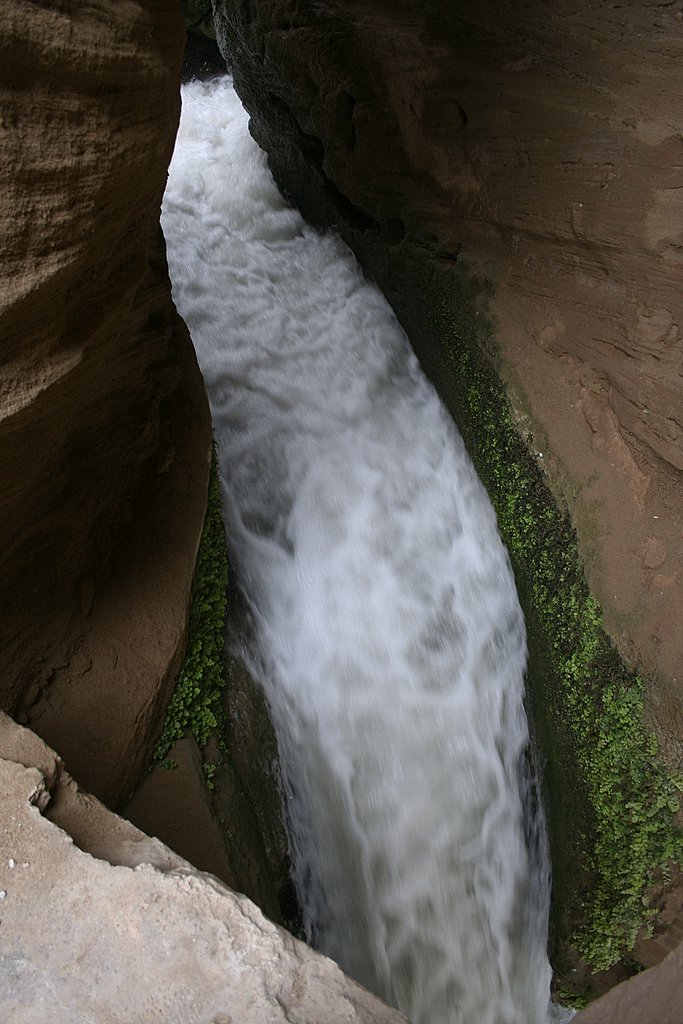
A view of one the water wells which directs water to the watermill about 2.5 meters lower. There are about 30 water wells like this in the complex in the previous post. Its really amazing when you stand so close (even much closer than what you see here) to water falling down with great power and sound. Posted by Picasa

Shushtar historic watermills

A panoramic view of the watermills complex. I have posted a few pictures of the watermills here in February 2006. The watermills are a part of a huge water supply plan in north of Khuzestan State on the river of Karun which was started in Achamenian era (circa 600 BC) and vastly developed in Sassanid era (224-651 AD). Shushtar is very close to Shush (also written as Susa by French archeologists)the capital of Elamites (circa 5500-1000 BC). Therefore we are looking forward to finding Elamite traces near the water structures. Some historians say that when Shapur the Great, the Sassanid emprore, captivated Valerianus, the Roman emprore, with about 70000 of the Roman army in Edessa war, he used their skill in rebuilding the bridges, barrages, and water canals in Shushtar. I have posted a picture of a relief showing the story of Shapur and Valerianus before (here) but as far as I know the story of Valerianus being in Shushtar is not scientifically accepted yet. Posted by Picasa