2006/05/25

Man and nature

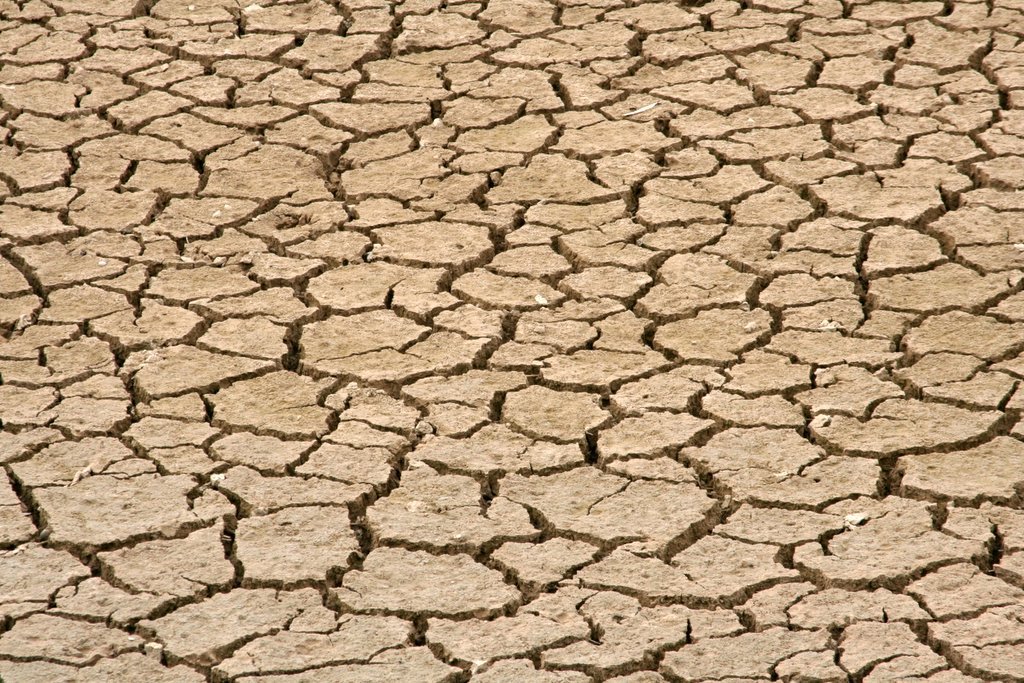
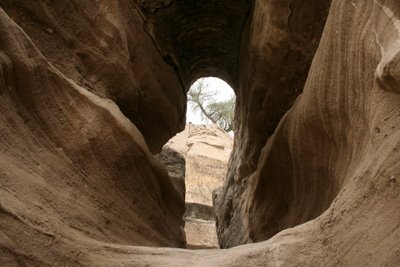
This is the effect of water movement inside a huge sandstone rock which was dug by man for constructing a complex of water-mills several centuries ago. The original water-mills don't exist anymore (alas) but the tunnels and canals are still there. They create very picturesque views. I'll post more of these historic water structures in Shushtar. Posted by Picasa

2006/05/23

Verbena?

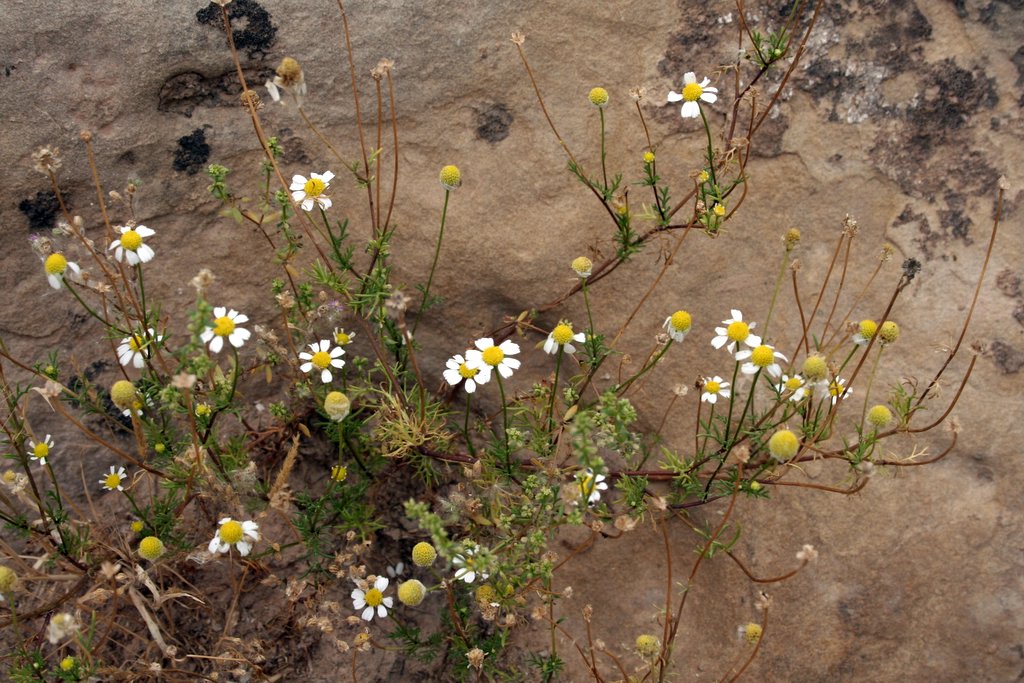
I found lots of this flower in my recent trip to Shushtar in south of Iran. I still don't know its name in English. The only thing I know is that its wild type is Verbena. In Persian we call it Shah-Passand which means delightful for the king! Posted by Picasa

Acacia

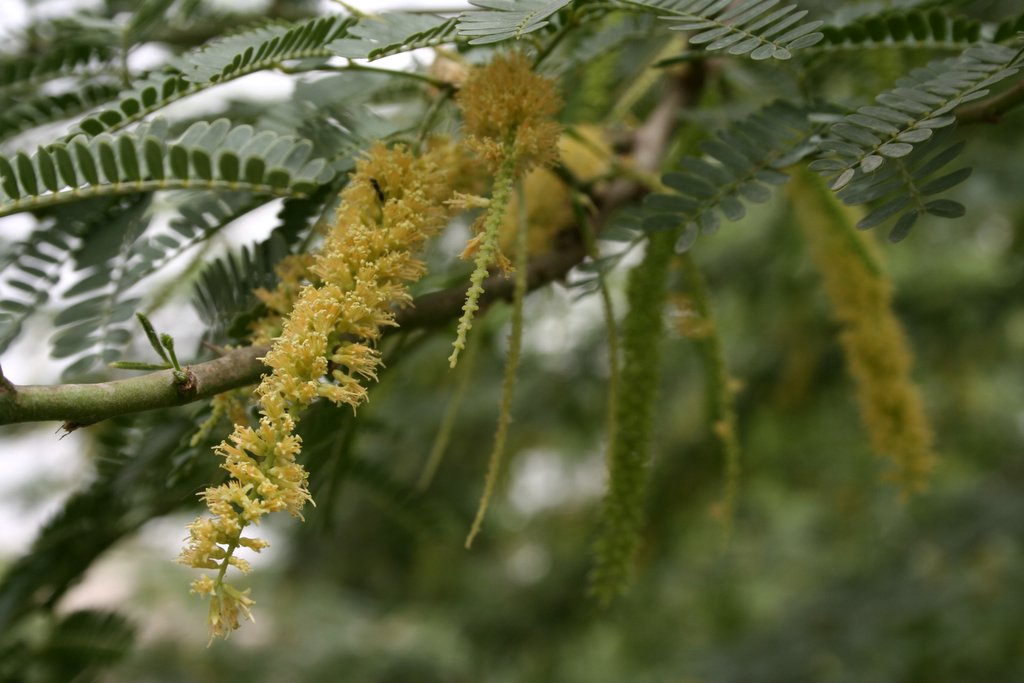
An acacia tree with yellow flowers (Shushtar, Iran). Posted by Picasa

2006/05/17

Sanctuary of Uljaitu

The same subject but in a wider view. Posted by Picasa

2006/05/15

Sanctuary of Uljaitu

Sanctuary of Uljaitu is an early 14th century addition to Jameh-Mosque of Isfahan. I have posted a few pictures of the mosque before. The sanctuary is perhaps the most famous one of its type. Posted by Picasa

2006/05/11

Jame-Mosque of Isfahan

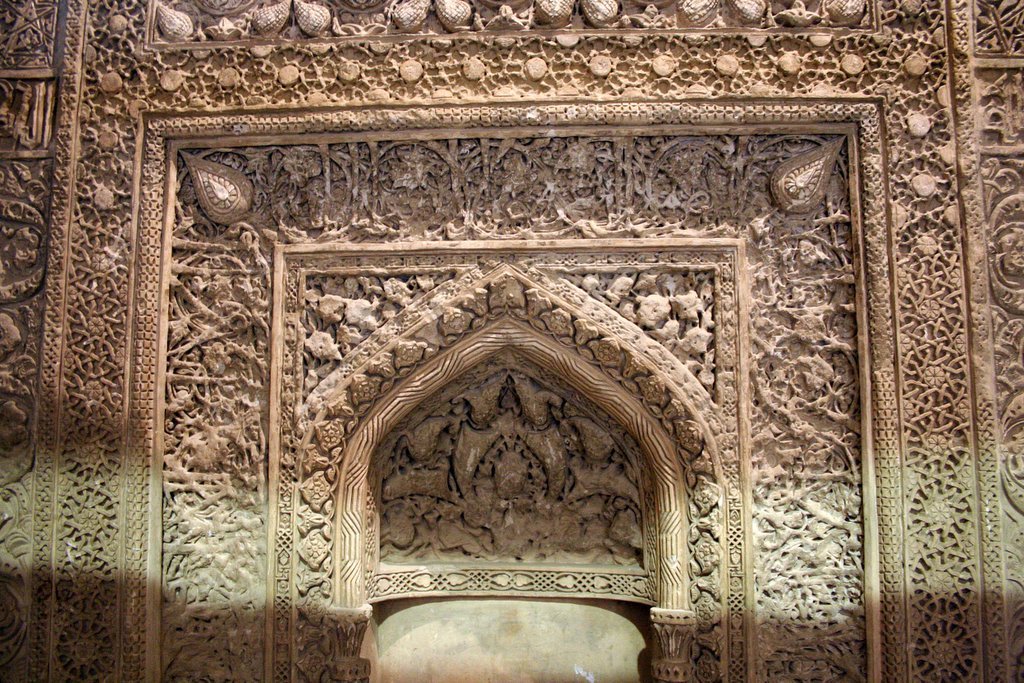
This is a detail of one of the subtle plaster altars of the mosque. I am not aure abut when it was built but I guess it should be in the 14th or 15th. Posted by Picasa

2006/05/09

United colors!

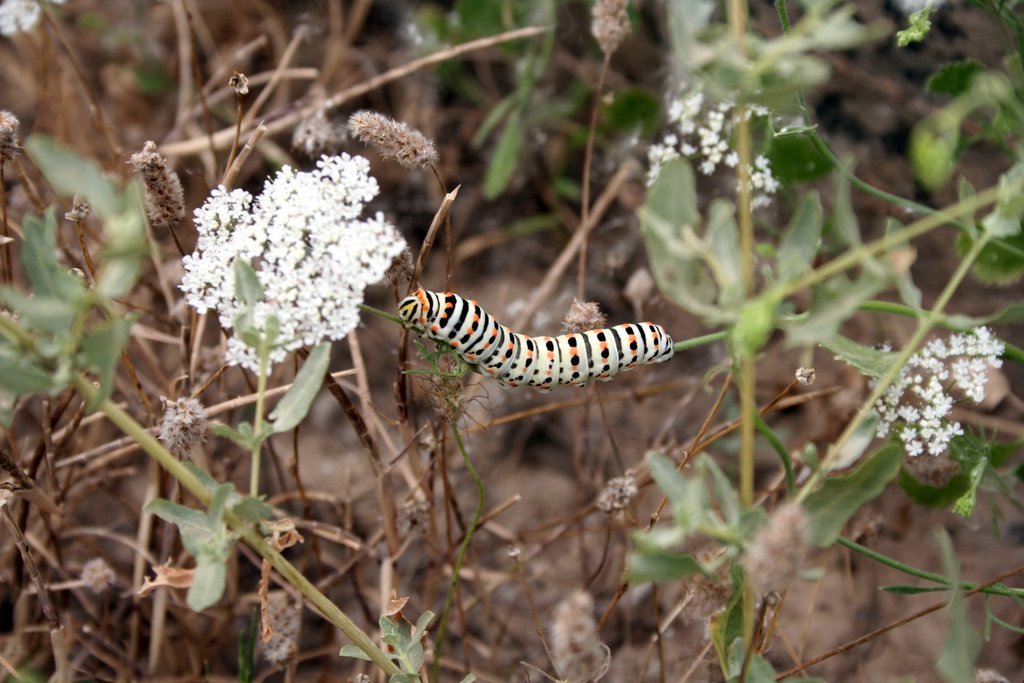
While I was in a historical site in Shushtar, discussing with colleagues on the most appropriate ways to take care of it, I mentioned this colorful beautiful worm. I wonder what's its name! Posted by Picasa

2006/05/07

Brick and tile decoration in Jame-Mosque of Isfahan

 Posted by Picasa

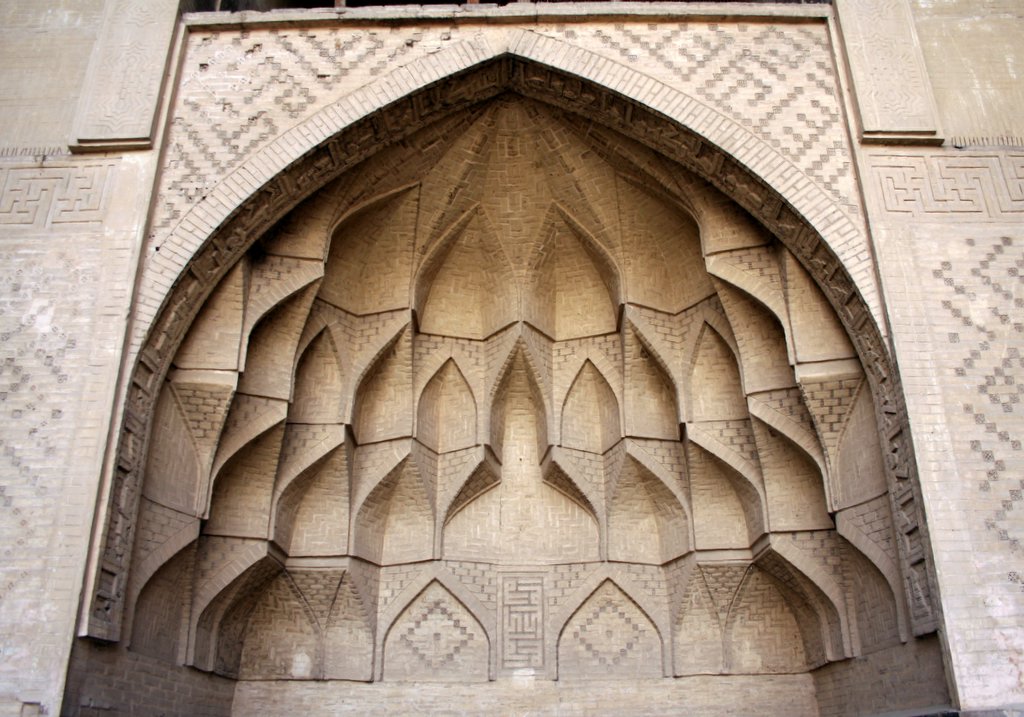
Moqarnas

A portico in Jame-Mosque of Isfahan with brick decoration called "moqarnas". Posted by Picasa

2006/05/05

The goats

 Posted by Picasa

The goats

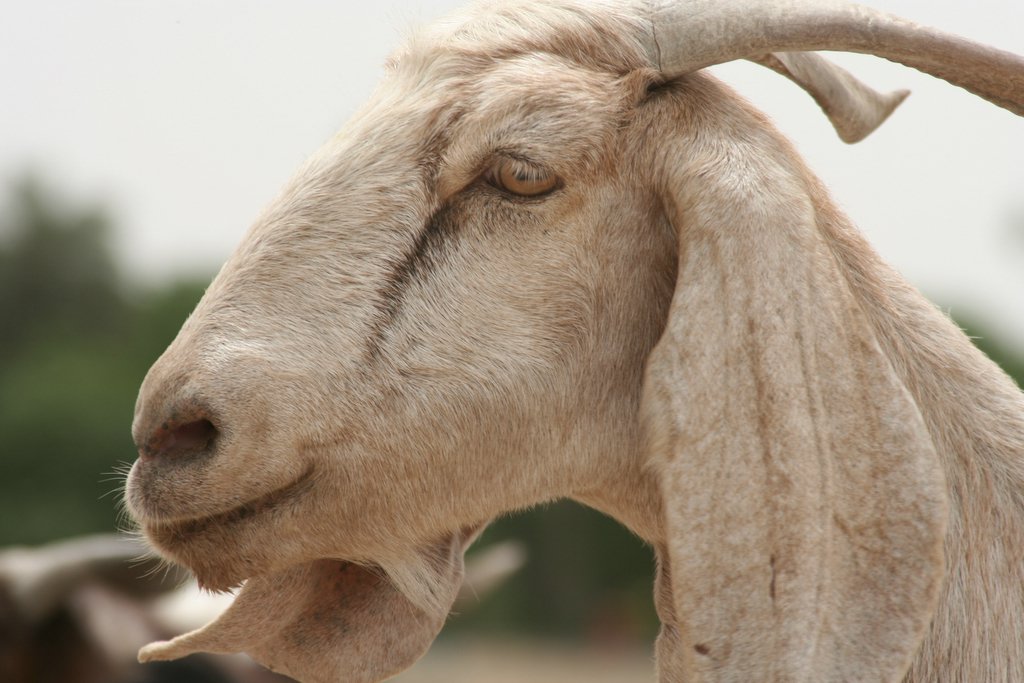
Yesterday I was in Shushtar, a city in southern Iran. I saw a very young shepherd with his goats and sheep. I think he was from the Bakhtiari tribes who live in northern Shushtar. Bakhtiari people belong to an ancient civilization who have lived in Zagros mountains for several milleniums. Posted by Picasa

2006/04/30

Ali-Qapu Palace

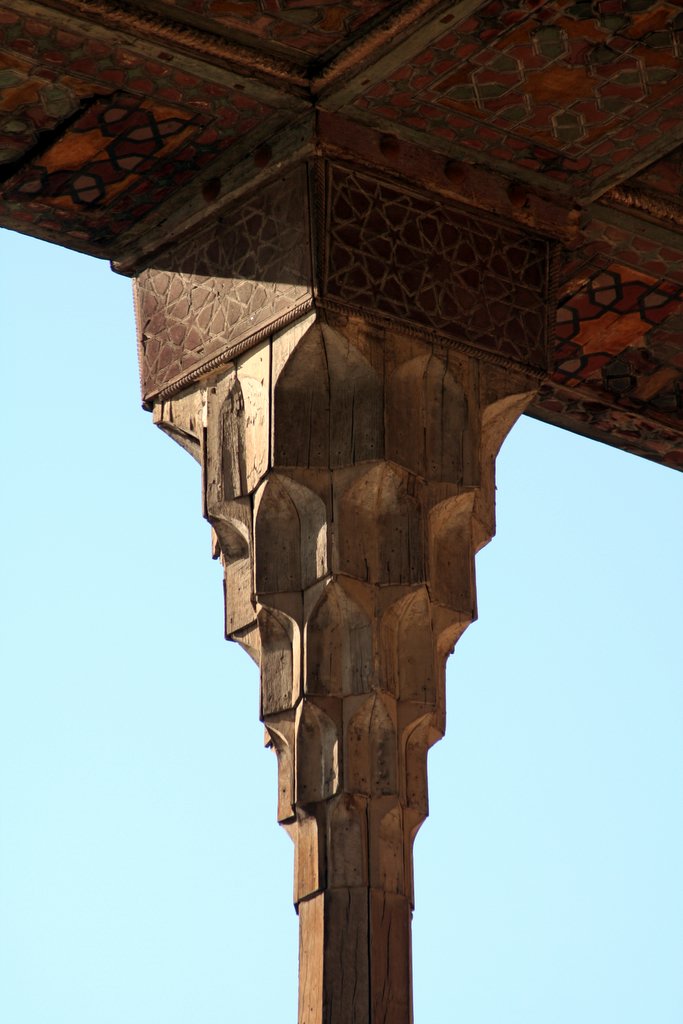
Detail of the wooden columns.  Posted by Picasa

Naqsh-e-Jahan Sqare

Partial view from Ali-Qapu Palace. The dome far in the background is the great Jame-Masque of Isfahan. I'll post a few pictures of it as soon as possible.
Isfahan is a sister city with Xian in central China, Barcelona in Spain, Florence in Italy, St Petersburg in Russia, Iasi in Romania, Freiburg in Germany, Yerevan in Armenia, and Havana in Cuba.
 Posted by Picasa

Ali-Qapu Palace

View from the roof of the 2nd floor which is like a great balcony. You can see a small pool with fountain in the foreground and the great Shah-Mosque (now Imam-Mosque) in the background. Posted by Picasa

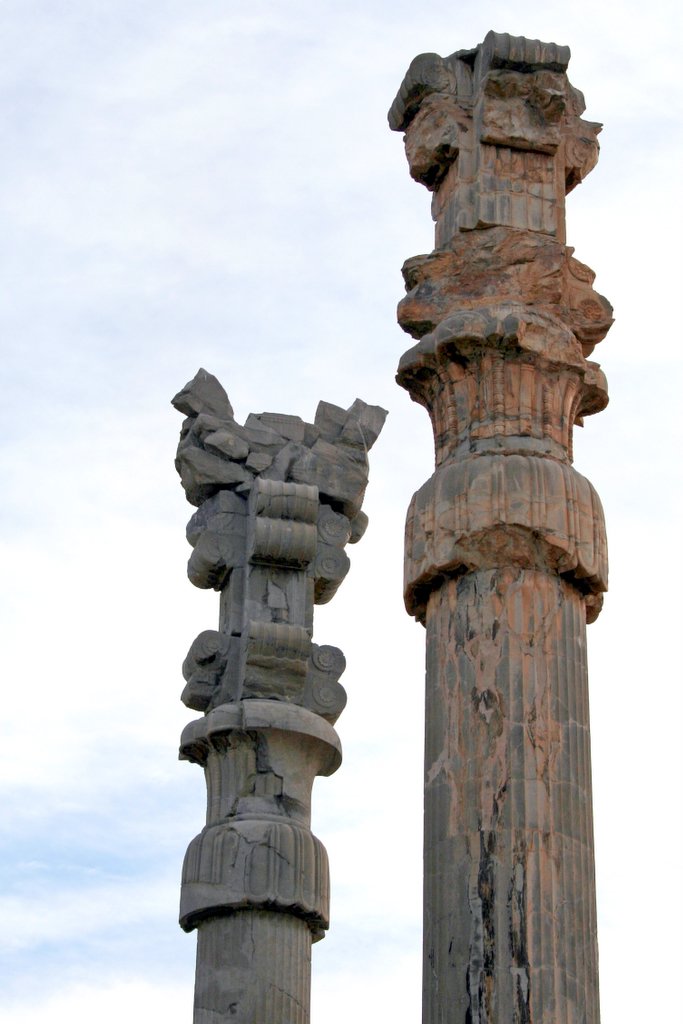
Columns of Persepolis

 Posted by Picasa

2006/04/29

Ali-Qapu Palace

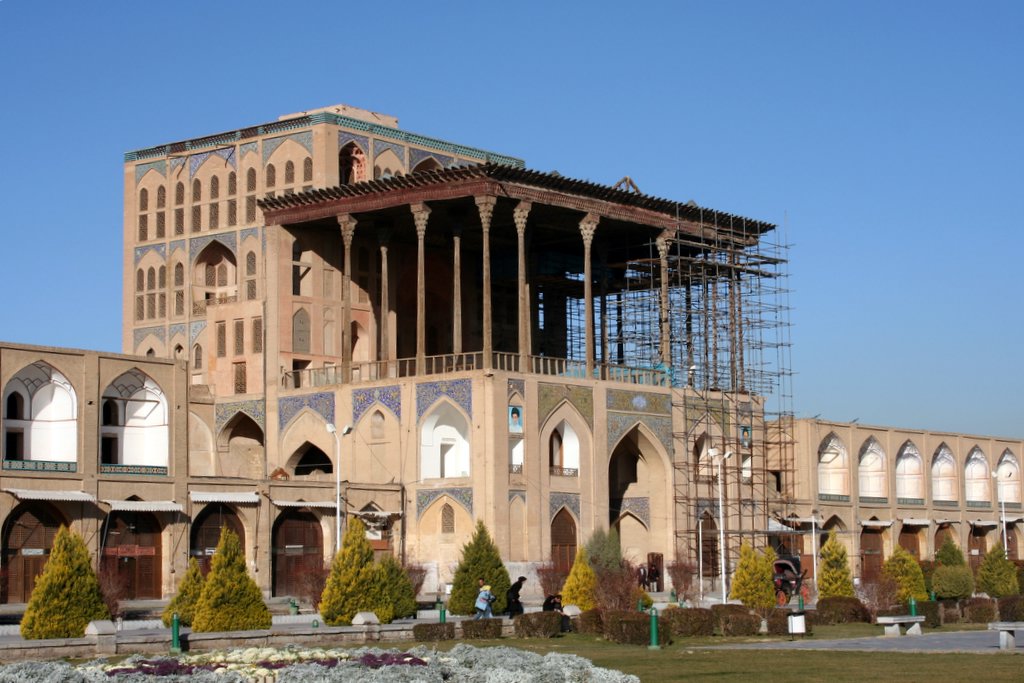
The early 16th century Ali-Qapu Palace is a 7-storey masonary structure. The canopy over the second floor was added later so that provide a more impressive gesture from the square and -may be- make it more comfortable while the king stayed there watching people in the great square (Naqsh-e-Jahan or Imam Square) in formal ceremonies. The palace and the square are listed in the World Heritage Organization monuments.
Posted by Picasa